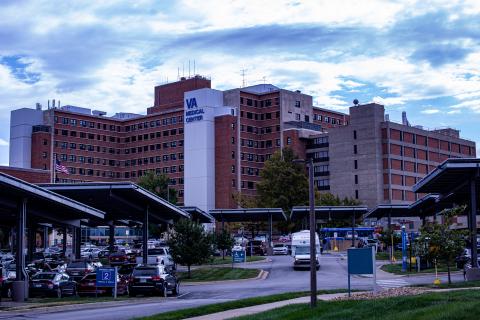
KANSAS CITY VA MEDICAL CENTER
The Kansas City Department of Veterans Affairs Medical Center is a 125 bed medical, surgical, and psychiatric facility. We value honesty and integrity as exhibited by open and effective communication and respectful and courteous interactions with all individuals. We strive for excellence by doing the right thing at the right time with the right resources for the right reasons.
We value fiscal responsibility with careful stewardship of allocated resources while maintaining state-of-the-art compassionate healthcare delivery and leadership which promotes and supports teamwork, diversity of ideas, accountability, responsibility, and employee development.
Primary Service Area
In addition to our tertiary care responsibilities, our primary service area comprises a 17 county- area in eastern Kansas and western Missouri. As a referral center for VA medical centers in Columbia, Missouri, Leavenworth, Topeka, and Wichita, Kansas, we provide health care for veterans throughout the Heartland. We also serve veterans in the northern part of Arkansas and from as far away as southern Iowa and southern Nebraska.
Back To Top
Affiliations
The Kansas City VAMC has master agreements with the University of Kansas Medical School and University of Missouri-Kansas City Medical School. KCVA is functionally connected to KUMC. There are also affiliations with schools in nursing and allied health professions, including clinical pastoral education, psychology, social work, addiction counseling, gerontology, phlebotomy, pharmacy, dentistry, optometry, physician assistant, occupational and physical therapy, radiology technology respiratory therapy, dietetics, pathology, health care administration and medical records administration.
Research
The Kansas City Veterans Affairs Medical Center has an active Research and Development program. The philosophy of the Research Department is that both basic and clinical research can be used to continually advance medical science, and provide the latest, most advanced therapeutic environment for our veteran patients. Major areas of research being conducted at the Kansas City Veterans Affairs Medical Center include cancer treatment and prevention, gastrointestinal diseases, innovative approaches to bacterial infections, kidney disease, osteoporosis and other bone disorders, cardiovascular diseases, and substance abuse.
Population Served
The service area for KC VAMC includes the following counties:
Back To Top
A. For In-Patient Care:
Missouri Counties:
Andrew Clinton Howell Pettis
Atchison Dade Jackson Platte
Barry Dallas Jasper Polk
Barton Daviess Johnson Ray
Bates Dekalb Laclede St. Clair
Benton Douglas Lafayette Saline
Buchanan Gentry Lawrence Stone
Caldwell Greene Livingston Taney
Carroll Grundy McDonald Texas
Cass Harrison Mercer Vernon
Cedar Henry Newton Webster
Christian Hickory Nodaway Worth
Clay Holt Ozark Wright
Kansas Counties:
Atchison Douglas Johnson Wyandotte
Brown Jackson Leavenworth
Doniphan Jefferson Nemaha
Back To Top
B. For Out-Patient Care
Missouri Counties:
Bates Cedar Johnson Vernon
Caldwell Clay Lafayette St. Claire
Carroll Henry Ray
Cass Jackson Platte
Kansas Counties:
Linn Wyandotte Johnson
All health care providers, regardless of service line affiliation, collaborate to provide the treatment and care required to support patients in the promotion and maintenance of health; the prevention, detection, and treatment of disease or injury; and in providing support and appropriate care at the end of life. The plan for patient care delivery is designed to support continuous quality improvement and innovation in meeting the needs of the individual served and is developed based on the specific care needs (including unit specific) throughout the continuum.
Back To Top
Scope of Services Provided
A. Primary Care
Primary Care services are provided through individualized care from a primary care provider at the parent facility and five Community Based Outpatient Clinics located in Belton, Missouri; Paola, Kansas; Nevada, Missouri; Cameron, Missouri and Warrensburg, Missouri. Primary Care services also include emergency care, same-day care (urgent care), women’s health care, eye care, dental care, and audiology services. The Primary Care Program supports and participates in the education of health care professionals.
B. Medical Subspecialty Care
Medical Subspecialty Care is provided through inpatient and outpatient primary, support and/or consulting services in the fields of Neurology, Cardiology, Hematology, Oncology, Gastroenterology, Pulmonary Medicine, Infectious Disease, Endocrinology, Nephrology, Dermatology, and Critical Care Medicine. The Medical Sub-specialty Care Program supports and participates in the education of health care professionals
C. Surgical Care
Surgical Care is provided through inpatient and outpatient primary, support and/or consulting services in the fields of Anesthesia, General Surgery, Ophthalmology, Orthopedic Surgery, Otolaryngology, Plastic Surgery, Podiatry, Urology, and Vascular Surgery. Neurosurgery and Oral Surgery are provided through Fee Basis. The Surgical Care Program supports and participates in the education of health care professionals.
D. Psychiatric Care
Mental Health Service provides inpatient and ambulatory primary, support and/or consulting care services in the fields of Psychiatry and Psychology. Other services provided include recreational therapy, substance abuse treatment, and the homeless program. The Mental Health Program supports and participates in the education of health care professionals.
E. Clinical Support
The Clinical Support Service provides support and/or consulting services in the field of Physical Medicine and Rehabilitation Services which include Physical Therapy, Occupational Therapy, EMG, Chiropractic Care, Pain Management, Telemedicine Clinics, and Speech Pathology. This service also provides support and/or consulting services in the following areas: SPD, Chaplain Services, Social Services, Dietary Services, Prosthetics and the services of transition nurses who act as liaisons between the hospital and community care services, e.g., nursing home, hospice, etc.
F. Radiology
Radiological services are available to inpatients and outpatients 24/7. This program also supports and participates in consultation and education of health care professionals
G. Pathology and Laboratory Service
Services are available to inpatients and outpatients 24/7. This program also supports and participates in consultation and education of health care professionals
H. Pharmacy
Pharmacy provides inpatient and ambulatory support and/or consulting services pertaining to medication use. Pharmacy services also include counseling of patients and continuing education for staff, and participation in research. Pharmaceutical care is available to inpatients and outpatients 24/7.
I. Health Systems Management (HSM)
Health Systems Management provides the clerical and administrative support to the providers and patients. This assistance is provided primarily through the OPT clinics and inpatient wards, along with specialized programs such as Compensation and Pension, Patient Beneficiary Travel, Admissions and Bed Control and Fee Basis services.
J. Information Management
The Information Management System provides patient, clinical, business and reference data to our providers and staff members. The system includes, but is not limited to, internal databases, external databases, electronic and paper patient medical records, and other reference and information sources available to our users.
K. Education
Education Service provides employee education and training, patient education, nursing education, medical library, graduate medical education, allied health training, continuing professional education, photography, illustration, audiovisual production and print reproduction. Services are provided primarily to medical center staff, and support for special events projects is provided to other medical centers in VISN 15 and the VISN 15 office and staff.
L. Facilities
The Facilities Management Service seeks to provide a comparable level of high quality services to all inpatients throughout the hospital as well as to those veterans served in the outpatient department. The staff of this Service are committed and actively involved in a process to continually strive to provide products and services in a manner that will exceed the expectations of our patients and other internal and external customers by:
• Maintaining a medical equipment management program designed to assess and control the clinical and physical risks of fixed and portable equipment used in the patient care area for the diagnosis, treatment, monitoring, and care of patients and of other fixed and portable electrically powered equipment
• Maintaining a utilities management program designed to assure the operational reliability, assess the special risks, and respond to failures of utility systems that support the patient care environment.
• Maintaining a life safety program designed to protect patients, personnel, visitors, and property from fire and the products of combustion and to provide for the safe use of buildings and grounds.
• Maintaining a bacteriologically clean environment.
• Assuring that clean linens are available and patient personal effects and valuables are available upon request.
• Maintaining a safety/sanitation program that is designed to provide a physical -environment free of hazards and to manage Facilities Program staff activities to reduce the risk of human injury.
M. Performance & Patient Care Improvement
The Performance and Patient Care Improvement (P&PCI) Service scope of service includes quality assurance, utilization management, risk management, patient safety, patient advocacy, infection control, credentialing and privileging, and compliance.
N. Research
Research is part of the VA mission. The goal is to continually improve the quality of the research performed at the Kansas City VA Medical Center and to ensure that compliance is maintained for all applicable regulatory requirements, including animal care and use, safety, and human subject compliance. For the 2005 fiscal year, 25 investigators were performing 128 active projects. An award winning VICTORS program provides state-of-the-art care for blindness and other visual disorders, while performing research to develop better treatments for these conditions. Other major areas of research being conducted at the Kansas City VA Medical Center include innovative approaches to gastric disorders, kidney disease, osteoporosis and other bone disorders, cardiovascular diseases and substance abuse. Total research funding for fiscal year 2005 was approximately $2.8 million.
O. Telemedicine
The Telemedicine Task Force of KCVA is responsible for coordination of telemedicine initiatives throughout the KC VAMC and the Community Based OPT Clinics (CBOCs). Currently, interactive-video mediated tele-education sessions are being done. The Home Telecare Coordination Project is scheduled to start in the middle of October 2004. This project is VISN-wide as well as a national project that extends care to the home for veterans with CHF, hypertension, diabetes mellitus, and COPD. Telepsychiatry will soon be available as well.
Back To Top
Referrals
For services that can not be provided at this facility, patients are referred to outside facilities/agencies either routinely or for emergent service at/by, but not limited to, the following:
• Kansas University Medical Center
• Truman Medical Center
• Other VA Medical Centers and through their sharing agreements to DOD and private facilities (including dental laboratory Services by VA Central Dental Lab in Dallas, TX)
• Health Midwest Radiation Therapy Services
• Community Nursing Homes
• Community Home Health Agencies (including Mid America Regional Council on Aging, Division of Aging, Social Rehabilitation Services, Homeless Shelters)
• Adult Day Health Care
• St. Luke’s Health Care System for cardiac surgery, electro physiologic services
The following services are available through contracts/agreement with outside facilities:
• Agency nurses’ services
• Angioplasty
• Community Nursing Homes
• Community Home Health Agencies (including Mid America Regional Council on Aging, Division of Aging, Social Rehabilitation Services, Homeless Shelters)
• Vitrectomy & retinal detachment
• Lithotrypsy
• Gastroenterologist’s services
• Radiation therapy
• Sleep studies
• Ophthalmology
• Gynecology
• Home infusion therapy
• Dental technical work
For other diagnostic and rehabilitation services, patients are also referred to outside facilities/agencies for patient care either routinely or for emergent service at/by, but not limited to, the following:
KU Medical Center
Columbia VAMC
Leavenworth VAMC
Topeka VAMC
Wichita VAMC
St. Louis VAMC
Visiting Nurse Agencies
Community Nursing Homes
Home Care Equipment Company (Oxygen Contractor)
Doctors Equipment
Allan Medical (Springfield)
National Medical Care (Kansas City/Springfield)
Artificial Limb Contractors (Missouri/Kansas)
Orthotic (Brace Shops) Dealers (Missouri/Kansas)
Hill-Rom (DME Low air loss systems)
Athena Diagnostics, Worcester, MA
Baylor College of Medicine, Houston, TX
Children's Mercy Hospital, Kansas City, MO
Clinical Resource Center, Department of Veterans Affairs Medical Center, Minneapolis, MN
Back To Top
Health Care Providers
Competency of providers is ensured through a detailed and rigorous credentialing and privileging process. Clinical Service Chiefs are responsible for recommending specific privileges for each staff member, for ensuring competency of each practitioner assigned to the program, for monitoring and reviewing practice patterns and for arranging for proctoring staff members for new privileges. The Medical Center Director, on the recommendation of the Chief of Staff and the Executive Committee of the Medical Staff (ECMS), issues all privileges.
Competency of practitioners, such as social workers, pharmacists, etc., who are not credentialed and privileged, is ensured through the following mechanisms/processes, as appropriate:
Definition of scope of practice
Competency checks
Regular review of proficiency
Continuing education
Back To Top
Plan of Care Review
The plan for providing patient care is designed to reflect the medical center’s mission and support continuous quality improvement and innovation in meeting the needs of the individuals served. The appropriateness of this plan is reviewed as a part of the following functions:
Annual budget review process
Recruitment/retention
Staffing
Utilization Management
Quality Improvement
Peer Review
Consumer Affairs Contact
Strategic Planning Process
Back To Top
HOSPITAL-WIDE SERVICES
SERVICES AVAILABLE TO INPATIENTS and OUTPATIENTS
AUDIOLOGY PRIMARY CARE
Scope of Care
Audiology provides comprehensive diagnostic, counseling, education/training, consultative or treatment services for veterans with hearing disorders. It has as its responsibility, the delivery of the highest quality patient care for hearing related disorders. This is accomplished through keeping current with the professional literature, training students from affiliated universities, and maintaining exemplary records so that administrative and clinical communication are maximized.
Staffing/Staffing Requirement
The clinic is staffed Monday through Friday, 8-4:30 PM, with a minimum of one (1) audiologist. Educational requirements for the Audiologist include the following:
• Doctorate Degree in Audiology
• Certificate of Clinical Competence in Audiology (CCC-A)
• Valid Missouri state license in Audiology
• In order to be credentialed, must have privileges in the following:
o Assessment of auditory evoked potentials & ENG
o Aural rehabilitation
o Student/trainee education/supervision
o Compensation and Pension Examinations
o Cerumen removal
The credentialing and certification process requires that clinic staff stay current regarding critical updates in a changing scientific profession. A minimum of 20 CEUs are obtained for each professional staff member over a two-year period. These education activities are obtained at national, state and local meetings, in addition to workshops. The curricula are highly weighted to both adult and geriatric training due to the high incidence of communicative disorders in this population.
The clinician is a member of the KCVA medical staff and has an appointment on the Kansas University Inter-campus program. This association provides the staff with the opportunity to supervise and consult involving clinical matters of communication across all ages and need.
The knowledge and skill levels of the staff member providing patient care is maintained through continuing education/training, bi-annual peer review of our medical staff members, and competency assessment of Audiology non-medical staff practitioners.
Back To Top
CARDIOVASCULAR CARE SERVICES
Medical SubSpecialty Care
Scope of Care
The Cardiovascular Care area specializes in the delivery of diagnostic, invasive, and non-invasive cardiac procedures. These procedures include:
• Cardiac Catheterization
o Left and/or Right heart
o Coronary Angiograms (native and/or bypass grafts)
o Left Ventriculogram/Aortogram
o Cardiac outputs and valve calculations
o Shunt blood runs and shunt calculations
• Pulmonary Angiograms
• Permanent Pacemaker Implantation
• Temporary Pacemaker Insertions
• Rapid Atrial Pacing Overdrive
• Cardioverson
• Pericardiocentesis
• Stress Test
• Exercise Stress Test (Maximum or sub maximal)
• Exercise Stress Test with Thallium
• Pharmacological (Dipyridamole) Stress Test with Thallium
• Echocardiogram (to include: 2-D, M-Mode, Color Flow, and Doppler)
o Transthoracic
o Trans-esophegeal
o Bubble contrast
o Amyl nitrate studies
• Holter monitors
• Event recorders
• EKG
Requirements for Staff
Requirements for Registered Nurse:
• Current State Licensure as a Registered Nurse
• BCLS Certification
• ACLS certification
• Successful completion of the Critical Care Course
• Successful completion of Special Procedure Orientation
• Completed competency checks on:
o IV Therapy
o Airway Maintenance and Management
o Defibrillation
o Arrhythmia Detection
o System Assessment
Requirements for Technologists include:
• Current BLS Health Care Provider Certification
• Recognition of basic cardiac rhythm and arrhythmia
• Cardiovascular certification, Echocardiol0gy cert. or registration, and/or Radiology Registration preferred
• ACLS Certification preferred
• Knowledge of and the ability to perform various clinical duties:
o Sterile Technique
o Hemodynamic monitoring and recording
o 35 mm film processing technique
o Radiation safety practices
Staffing
Minimal staffing for the CV lab includes one (1) Cardiovascular Technologist and one (1) CV RN. (Prefer three CV personnel in cath. lab. for every cath; tow for pacemakers.) Personnel are available on Monday-Friday, except on holidays, from 0800-1630. Provisions for call back are available off-tour, weekends, and holidays.
Assignments/Responsibilities:
Registered Nurse
• Perform assessment and provide pre and post procedure nursing care
• Administer medications as ordered
• Monitor and provide patient education
CV Technologist
• Scheduling and preparing the patient for the procedure
• Coordinating OPT schedules between KCVA other and other VISN 15 hospitals
• Preparing the room and equipment for procedure
• Assisting in the performance of procedure
• Monitoring patients, as needed
• Post procedure care and patient education
• Filing encounters and record keeping
• Film developing, filing, tracking
• After care of equipment
• Maintaining proper inventory levels
• Patient education
• Patient transport
Back To Top
CHAPLAIN SERVICE
Clinical Support
Mission of Chaplain Practice
In the development and maintenance of a program of spiritual health care in a pluralistic setting, the Chaplain Team recognizes the importance and value of spiritual health care in the overall care and treatment of patients, their support community of family, friends, and hospital staff. The mission of the team is to plan, develop, implement and evaluate a program of spiritual health care consistent with the greater mission of healthcare delivery in VHA and the KCVAMC. The KCVA Chaplain Team Mission is accomplished through the work of Clinical Chaplains, Contract/Fee Basis Chaplains, Clinical Pastoral Education Students, community clergy when appropriate, and volunteers supervised by chaplains
The Chaplain Team mission is accomplished through spiritual assessment and diagnosis, pastoral care and counseling, and worship opportunities for inpatients and outpatients. Patients range in age from young adults to the very old. Specific activities include, but are not limited to: spiritual assessments, individual and group spiritual and/or religious counseling, education in spirituality, bereavement counseling, public services of worship, including funerals and memorial services, and opportunities for ordinances, sacramental/ritualistic ministries and services for inpatients, outpatients, their relatives/friends, and staff. Pastoral care is also available to all staff in the medical center. Chaplains assist with patient education and counseling regarding advance directives, tissue and organ donation.
Scope of Care/Service
The Chaplain Team provides high quality care to inpatients and outpatients of this medical center. Patient care is provided on a continuing basis for eligible veterans and others with medical, surgical and psychiatric conditions in the context of which religious/spiritual issues are manifested.
The great majority of our patients are male and over 60 years of age. Patients are seen with the full range of acute, sub-acute, and chronic physical and mental illnesses. Many of our patients are not active religious practitioners; so many patients are in the hospital without clergy or other spiritual support person, which means they have no one in their lives to address their spiritual needs during the crisis of hospitalization. Their needs may represent spiritual injuries that include grief/loss, guilt/shame, alienation from a Higher Power, abandonment, anger/resentment issues and/or other concerns. Spiritual care is provided to the patient as well as his/her family support system; however, many of our patients have no family or they are estranged from them, which creates increased support needs across the admission/discharge planning spectrum.
Chaplains will be available for spiritual care needs throughout the medical center, with priority given to areas of highest clinical acuity. Routine visits are made to newly admitted patients and in outpatient clinics, to pre-op patients, and visits are made in response to staff referral, with priority given to patients in critical care and/or at end of life. Routine response is 48 hours, with immediate (within 30 minutes) response in emergent circumstances. Chaplains attend dying patients and provide supportive spiritual care to the patient’s family and friends as well. Chaplains facilitate spiritual education and counseling groups in the variety of mental health settings. Chaplain ministry will not be imposed upon those who decline it, and no efforts will be made by chaplains nor allowed by visiting clergy to proselytize patients to the clergyperson’s religious beliefs and practice
Chaplains work closely with clinical and administrative personnel throughout the medical center, especially interdisciplinary treatment teams and other direct patient care programs. A chaplain’s role and function may vary depending upon the program(s) or unit(s) where the chaplain practices. In any clinical setting, however, the primary goal of the Chaplain Team is to provide for the spiritual health of the patients and their families. The chaplain may be called upon to provide:
• pastoral ministry to individual patients experiencing spiritual injury or crisis, which will involve establishing a relationships with those patients;
• ministry to patients and their relatives/friends in crisis situations;
• opportunities for religious worship in an appropriate setting;
• pastoral care for patients in the interdisciplinary care team context; and
• education in spiritual and religious issues as part of the treatment plan.
Staffing
The Chaplain Team is an independently practicing, self-directed work team. The team consists of
Clinical Staff Chaplains (full-time, part-time, contract, and fee-basis), Chaplain Interns and Residents (number will vary from class to class), and a shared team secretary. One of the full-time chaplains also serves as Team Leader. Although organized under the Clinical Support Service, Chaplain Team serves patients and staff of all program lines in the medical center.
Support Services: Timely delivery of pastoral care for spiritual injury or crisis is paramount in addressing the human condition. Therefore, maintaining sufficient staff for the demands of the unique setting is critical to success in meeting the Chaplain Team mission. Along with the full-time staff, part-time, fee-basis and contract chaplains are essential to providing spiritual health care on a 24-hours-a-day, seven-days-a-week basis. Without the additional support staff, care of seriously ill and dying patients would be difficult.
Methods Used to Assess and Meet Patient’s Care Needs
Chaplain professionals practice through a variety of activities addressing the care goals of:
• accurately diagnosing the spiritual injury,
• utilizing the spiritual assessment for intervention, and
• developing and implementing a plan for the patient’s spiritual health care.
Chaplains also are responsible for educating patients in the meaning of their spiritual injury and methods of effective spiritual self-care. Methods for meeting these needs include direct inpatient care, follow-up and supplemental care in outpatient clinics, and consultation with other disciplines and teams in efforts of holistic patient care.
Definition of Terms:
The term pluralism/pluralistic refers to the environment in which members of diverse ethnic, social, racial, cultural, gender and religious groups live with equal rights and treatment as their individual identities and traditions are respected and honored. VA Chaplains give full affirmation and support to each other as well as to each individual patient without regard to differences.
The term ecumenism/ecumenical shall refer to the state in which general or universal truths and traditions are blended into a working unit or service.
The term patient refers to veterans and other persons eligible to receive healthcare treatment at this facility.
Clinical Pastoral Education Student will refer to those clergypersons and qualified laypersons participating in the Clinical Pastoral Education program of the health care system. Students in their first program of CPE are referred to as Chaplain Interns, and students in yearlong full-time programs of CPE are referred to as Chaplain Residents. The CPE Supervisor must be certified by the Association for Clinical Pastoral Education, Inc.
Contract Chaplains will refer to clergypersons utilized on a contractual or fee basis to provide spiritual health care in certain situations when a staff chaplain cannot meet the patient’s unique religious needs or when a staff chaplain is not available.
Clinical Staff Chaplains will refer to ordained clergypersons employed on either a full-time or part-time basis that have pre-scheduled regular tours of duty. These individuals have received clinical pastoral training, have prior pastoral experience, and are integrated into treatment teams in their areas of assignment in each medical center.
Visiting Clergypersons will refer to pastoral representatives from faith groups within the community. These clergypersons are welcome to visit patients who are members or participants in their religious communities.
Volunteer Clergypersons will refer to those clergypersons that assist the pastoral care staff with visitation of patients of their respective faith group. These persons will be supervised by a Clinical Staff Chaplain and be guided by the policies and procedures of the facility.
Chaplain Volunteers are laypersons working under the supervision of VAVS to assist with non-clinical tasks of the Chaplain Team.
Chaplain, without adjective, will refer to all classes of chaplains and students collectively, i.e., those identified in d, e and f above.
Back To Top
CARDIOVASCULAR APN
Advanced Practice Nurse (APN)
Medical Subspecialty Care
Scope of Service
The Cardiovascular APN plans/provides primary, secondary, and tertiary health care/preventive care for the patient and family in the home, extended-care facility, clinic or inpatient setting. Physiological, psychological, sociological, developmental, cultural, educational and spiritual needs of the patient and family are considered in planning and initiating care.
The APN is in collaborative practice with the Cardiology Medicine Staff Physicians. Roles of the APN include clinical, consultant, educational, research, and administrative.
Requirements for Staff
• Current state license as registered nurse
• MSN required
• Completion of advanced physical assessment and advanced pharmacology, and EKG interpretation
• BLS required and ACLS provider preferred
• Minimum of two years experience dealing specifically with critical care patients and patients with cardiovascular problems
• Two years experience as advanced practice nurse preferred
• ANA Certification as advanced practice nurse preferred
Clinical Responsibilities
• Conducts history and physical examinations
• Initiates consults
• Has prescriptive privileges
• Writes Admitting orders
• Has disposition authority as appropriate
• Orders and reviews laboratory and other diagnostic testing/examinations
• Initiates change in treatment regimen as indicated during clinic/home/hospital visits
• Provides cardiovascular consultation to nursing staff and other health-care disciplines as requested
• Performs Permanent Pacemaker and Internal Defibrillator interrogation and programming
• Initiates long-term follow-up for patients with special cardiology needs i.e. permanent pacemaker, PCD, artificial heart valve
• Is resource for patient/family members to call for health-care needs to include sociological and psychological components
• Coordinates the out-patient cardiology special procedures/care: cardioversions, open heart program, pacemaker program, event monitoring, and others as appropriate
• Maintains communication between the other VISN Cardiology Staff regarding the KCVAMC Cardiology Patient(s)
Educational Component/Research
• Teaches/lectures as requested on Cardiology Practice/Issues
• Provides continuing education to staff members
• Precepts MSN graduate students
• Conducts nursing research
• Utilizes research findings in care of patients/families
• Involved in continuous quality improvement through analysis of indicator outcomes and initiating appropriate changes in the health-care delivery system
Administrative Responsibilities
• Serves on hospital-wide committees
• Develops/revises clinical protocols, hospital policies and procedures
Back To Top
ENTEROSTOMAL THERAPY NURSE
Surgical Care
Scope of Care
An Enterostomal Therapy Nurse (ETN) provides acute and rehabilitative care for the patient with select disorders of the gastrointestinal, genitourinary and integumentary systems. The ETN provides direct patient care to persons with abdominal stomas, wounds, drains, pressure ulcers and incontinence. As an educator, consultant, researcher and administrator, an ETN plays a pivotal role in the guidance of optimum patient care. The ETN is available during administrative hours during Monday-Friday, except on holidays.
Requirements for Staff
• Current state licensure
• BSN from an NLN accredited program
• Successful completion of an accredited ETN education program Certification
• Board certification is available through the Wound Ostomy and Continence Nurses Society to recognize expertise in the field of ETN and is preferred
Clinical Responsibilities
• Uses the nursing process to provide quality care for a specific group of patients
• Acts as a consultant in clinical practice and shares clinical expertise with other medical personnel
• Collaborates with other health care personnel to provide continuous, comprehensive patient care
• Participates in the development, implementation and interpretation of practice standards & service policies, peer review, quality management programs and other activities that impact the delivery of care and cost containment
• Maintains communications with manufacturing representatives to remain informed of current trends and provide a high quality of services to the patient population served by the ETN
• Uses current concepts and findings from research to design, implement, and evaluate initial and ongoing plans for patient care and initiate change in clinical practice when indicated
Back To Top
PULMONARY ADVANCED PRACTICE NURSE
Medical Subspecialty Care
Scope of Service
The Pulmonary-Advanced Practice Nurse (Pulmunary APN) plans/provides primary, secondary, and tertiary preventive care for the patient and family in the home, extended-care facility, clinic or inpatient setting. Physiological, psychological, sociological, developmental, cultural, educational and spiritual needs of the patient and family are considered in planning and initiating care.
The Pulmonary CC CNS has prescriptive privileges in collaborative practice with pulmonary staff. Roles of the Pulmonary CC CNS include clinical, consultative, educational, research, and administrative.
Requirements for Staff
• Current state license as registered nurse
• MSN required
• Completion of advanced physical assessment and pharmacology
• BLS Health Care Provider
• ACLS provider preferred
• Minimum of two years experience with critically ill patients
• Two years experience as advanced practice nurse preferred
• Certification as advanced practice nurse required.
Clinical Responsibilities
These functions will be performed in collaboration with the attending staff physician who will monitor these activities. The following clinical responsibilities have been approved by the collaborating physician:
General:
• Conducts history and physical examinations
• Initiates consults
• Has prescriptive privileges: May prescribe medications in accordance with established pulmonary medical practice
• Has disposition authority
• Orders and reviews laboratory and other diagnostic testing/examinations
• Is a resource for patient/family members to call for health care needs which include sociological and psychological components
• Initiates change in treatment regimen as indicated during clinic/home/hospital visits
• Performs simple waived tests such as occult blood and urine dipsticks, and tests classified as Provider-Performed Microscopy. This does not include tests performed by an instrument or tests producing quantitative results.
Specific:
• Assists in performing bronchial-alveolar lavage
• Initiates ventilator- speaking valve for appropriate patients
• Lung cancer: Is responsible for maintaining follow-up on patients evaluated for lung cancer by pulmonary staff and arranging for subsequent treatment by interacting with thoracic surgery, oncology, or radiation therapy staff.
• Manages home ventilator patients
• Orders and modifies home oxygen prescriptions
• Administers conscious sedation
Educational Component/Research
• Provides continuing education to staff members
• Precepts MSN graduate students
• Conducts nursing research
• Utilizes research findings in care of patients/families
• Is involved in continuous quality improvement through analysis of indicator outcomes and initiating appropriate changes in the health-care delivery system
Administrative Responsibilities
• Initiates, manages, and evaluates pulmonary rehabilitation
• Serves on hospital-wide committees
• Develops/revises clinical protocols, hospital policies and procedures
Back To Top
DENTAL SERVICES
Primary Care
Scope of Care
Complete dental care is provided to all veterans legally entitled to dental care as determined by the dental eligibility office.
Medical patients needing dental care will be provided such care as is essential to that patient’s medical condition. Dental treatment may be limited to treatment of trauma, control of pain and elimination of acute infection, depending on current staffing. Definitive treatment may be provided if consultation with patient’s primary care provider determines need for further dental treatment.
Staffing Plan
The Dental Clinic is staffed Monday through Friday, 8-4:30 PM, with a minimum of one (1) dentist. Services are available on call 24 hours a day.
Education Requirements
Dentist
• Graduation from an accredited US Dental School
• Current license
Hygienist
• Graduation from an accredited US Dental Hygiene Program
• Current license
Assistant
A minimum of one year experience as a dental assistant
Back To Top
DIABETES CARE & EDUCATION
Medical Subspecialty Care
Scope of Care
This service will be carried out through an advisory body that will:
• Provide guidance and assistance to Program Directors in identifying problems, which need corrections.
• Identify new initiatives for improving care and containing costs.
• Communicate to the Chief of Staff and Medical Director.
• Consider any clinical, administrative, or educational topic serving to promote the quality of care rendered to patients with a primary or secondary diagnosis of diabetes mellitus.
• Oversee formal diabetes patient education programs.
Diabetes Advisory Committee
The advisory body will consist of representatives of services and sections that are commonly involved with the treatment of diabetes mellitus and its complications: Endocrinology, Primary Care, Ophthalmology, Podiatry, Dentistry, Nursing, Dietetics, and Pharmacy.
Delivery System
Formal diabetes education will be performed in group classes and on an individual basis by a Certified Diabetes Educator (CDE). A variety of formal programs are held every Monday through Friday. Other nurses may do reinforcement of formal education programs. Documentation of the education is in the progress notes of the medical record.
Individual instructions may be done through consultation to the Diabetes Educators. Patients may be referred for diabetes education by any caregiver (e.g., physicians, physician assistants, nurse practitioners, nurses).
Registered Dietitians/CDEs will perform patient instruction and counseling on meal planning guidelines as well as individualized meal plans.
Requirements for Educators
• Nurse – RN, with CDE certification or CDE eligible
• Registered Dietitian who is a CDE or CDE eligible
• Registered Pharmacist or Pharm D
Back To Top
DIALYSIS - 6E
Medical Subspecialty Care
Scope of Service
This is an outpatient and inpatient dialysis unit, which specializes in the delivery of comprehensive care for patients requiring acute and chronic dialysis and pre- and post kidney transplantation. The scope of care provided by nursing personnel in the dialysis area includes providing:
• Pre-dialysis education
• Center hemodialysis
• Acute hemodialysis
• Home training (peritoneal dialysis)
• Home patient monitoring
• Transplant workup and follow-up
• Home patient back-up dialysis care (all home hemodialysis and peritoneal patients.)
Requirements for Staff
Requirements for the RN staff include:
• Three (3) years successful nursing practice (ICU and/or dialysis experience preferred)
• Current state licensure
• Current BCLS certification
• Successful completion of dialysis orientation plan
• Successful completion of mandatory in-services
• Successful completion of unit based competency exam
• Successful completion of peritoneal dialysis competency
Requirements for the Dialysis Technician include:
• Ability to operate life saving medical equipment
• Ability to monitor vital signs, assess patient’s condition, recognize emergency & potentially critical situations
• Ability to perform routine cleaning procedures requiring standard precautions
Patient Care Delivery System
The dialysis unit utilizes a team approach, with primary patient care assignments, to incorporate the standards of care for the ESRD patient. Care within this unit focuses on the patient being involved with his own care. The family or significant other is also involved in the care, support and education when necessary.
The charge nurse will do assignment of patient care on a daily basis. Although all staff can provide all aspects of care, the assignments are based on patients' acuity level or needs as an inpatient (i.e., acute dialysis in ICU or PD patients on ward). The charge nurse typically is involved with coordinating all aspects of care in and outside the dialysis unit and also receives and troubleshoots phone calls from home patients in the absence of the home training coordinator. The RN responsible for making these assignments will be familiar with these policies and procedures and will review them as necessary to keep his/her information current.
Staffing
A combination of primary nursing and individual daily assignments are used to deliver care within this unit. A Nurse Manager is assigned to the unit and all personnel report directly to this individual, except the social worker and dietitian. A Charge Nurse is assigned during the hours the hemodialysis unit is open as follows:
7:00 a.m.-5:30 p.m.: Monday, Wednesday, and Friday
7:00 a.m.-5:30 p.m.: Tuesday, Thursday, and Saturday
All members of the nursing staff are trained to deliver all aspects of care for the dialysis patient. RN Staff is assigned on call duties to cover acute and chronic dialysis and home patient needs when the unit is closed on Sunday. Minimum staffing is as follows:
Monday/Wednesday/Friday: 3 RNs or 2 RNs 1 /LPN and 2-3 Dialysis Technicians
Tuesday/Thursday/Saturday: 2 RNs or 1 RN/ 1 LPN and (1) Dialysis Technician (a mix of RN/LPN on any given day equals 3-4 licensed staff daily)
The Transplant Coordinator works five days per week and performs on-call and works some Saturdays per Nurse Manager.
The Home Training Coordinator works five days per week; performs on-call and works some Saturdays per Nurse Manager.
The technical staff is trained to deliver all aspects of technical support for the dialysis patient.
The Administrative Assistant is available Monday through Friday and is assigned directly to the Dialysis unit. The Administrative Assistant provides administrative/clerical support to the unit.
The Social Worker (0.5) for the dialysis unit is available Monday through Friday but a Social Worker is on-call on Saturday and Sunday. The Social Worker is trained to provide psycho/social assistance for the dialysis patient; however, the Social Worker is also assigned other patient care duties within the Medical Center.
The Dietician 0.5) assigned to the dialysis unit is available Monday through Friday but a Dietitian is on-call on Saturdays. The Dietitian is trained to provide nutritional support to the dialysis patient; however, the Dietitian is also assigned other patient care duties within the Medical Center.
Staffing Plan
Days (M-W-F) Days (T-Th) Sat Only 7AM (Sun) Thru
-7AM (Mon)
3 RNs or 2 RN’s /1 LPN 2 RNs or 1 RN /1 LPN 3 RN 1 RN On Call daily when center is closed. 2-3 Technicians 1 Tech 1 Tech On-Call hrs 1730-12MN and MN - 0630
Physician Providers: There is a 24-hour physician coverage provided (Nephrologist, Fellow, Resident). Vascular surgeons are available to provide hemodialysis and peritoneal dialysis access as required.
Support Staff: Days (Monday – Friday)
Nurse Manager 0.40
Administrative Assistant 1.00
Social Worker 0.50
Dietician 0.50
Respiratory Therapy: Provides coverage for scheduled respiratory treatments and for emergent/life threatening situations.
Pharmacy
Pharmacy services are available 24 hours a day. Ward stock is delivered as needed. A clinical pharmacist is available for consultation and to provide educational services to patients/staff via phone or pager.
Other Support Services/Functions:
Back To Top
MEDICAL SUBSPECIALTY CARE
CONSULTING SERVICES
Scope of Services
Medical Care is provided by multiple disciplines that provide consulting services in the following fields of specialty:
• Cardiovascular
• Dermatology
• Endocrine
• Gastroenterology
• Pulmonary Medicine
• Oncology
• Nephrology
• Infectious Disease
• Neurology
Credentialing & Privileging
• Credentialing and privileging of independent practitioners
• Monitoring and review of practice patterns, including proctoring of new medical staff members
• Definition of scope of practice
• Competency checks
• Regular review of proficiency
• Continuing education
The Service Chief is responsible for recommending specific privileges for each medical staff member, for ensuring competency of each practitioner assigned to the program, for monitoring and reviewing practice patterns, and for arranging proctoring of new staff members. All privileges are issued by the Medical Center Director, on the recommendation of the Chief of Staff and the Executive Committee of the Medical Staff.
Back To Top
CLINICAL NUTRITION
Nutrition & Food Services
Clinical Support Service
SCOPE OF CARE
The clinical nutrition staff seeks to provide high quality nutrition care and service to inpatients throughout the hospital as well as to those veterans served in the outpatient departments. As stated in the VHA Goals, the staff is committed to provide products and services in a manner that will exceed the expectations of our patients and other internal and external customers.
The clinical nutrition staff provides nutrition care and education for both in-patients and outpatients treated at the Kansas City VAMC. The patient population is adult, both male and female, ranging in age from young adults to elderly. The five most common diagnoses served by the clinical nutrition staff are: Diabetes Mellitus, Cardiovascular Disease including Hypertension, Cancer, Chronic Obstructive Pulmonary Disease, and Psychiatric Illness including Substance Abuse.
The clinical nutrition staff is available to provide nutritional assessment and education for the medical, surgical, psychiatric, and intensive care unit patients. Nutritional care plans are developed, implemented, and evaluated for patients identified with nutritional problems or those identified as being at nutritional risk.
Nutrition services are also provided for outpatients by the clinical nutrition staff. The dietitian provides nutritional education for the patient and/or care provider in individual and/or group settings. The diabetes nutrition specialist teaches the nutrition part of the outpatient Diabetes Education program.
The clinical nutrition staff uses the following methods to assess and meet patient care needs: ward rounds, interdisciplinary discharge/patient care planning meetings, communication with the health care team, staff meeting presentations of data and discussions, peer reviews, and involvement in performance measurement and improvement.
Standards and guidelines for practice are available including VA manuals, Medical Center Professional Services Memorandums and policies and procedures, Diet Manual, Practice Guidelines for VA Nutrition and Food Service, American Dietetic Association Evidence based Nutrition Practice Guidelines, clinical nutrition textbooks, and current professional journals.
STAFFING PLAN/STAFFING AVAILABLE
The clinical nutrition staff consists of five registered dietitians. Each dietitian is assigned to designated patient care areas, wards, teams, programs and/or clinics. The clinical nutrition staff works full-time Monday through Friday and one dietitian is on-call each Saturday. The dietitian on-call on Saturday assures that nutrition assessment referrals are completed within the 48-hour time frame. If clinical nutrition services are needed at other times after scheduled working hours, a cascade phone list is implemented in order for a dietitian to be reached. Clinical nutrition staff is scheduled during the time periods when they are most frequently needed for consultation referrals and to be available to interact readily with other members of the health care team.
REQUIREMENTS FOR STAFF
The basic requirements for the clinical staff include, maintaining registration with the Commission on Dietetic Registration (CDR), the credentialing agency of the American Dietetic Association, ability to assess and educate patients, appropriately prioritize daily work, and participate as a member of the health care team. Clinical dietitians must also complete mandatory training annually for the VA Medical Center and must maintain registration with the CDR according to current established requirements.
RELATIONSHIP WITH OTHER SERVICES/SUPPORT SERVICES
The clinical nutrition staff provides nutrition consulting services to the following services: Surgical Care, Medical Subspecialty Care, Primary Care, Mental Health, and Clinical Support. In addition, clinical dietitians work in conjunction with other allied health services including Nursing, Pharmacy, Social Work, Dental, Chaplain, Pathology and Laboratory, Audiology and Speech Pathology, and Recreation to provide clinical services for inpatients and outpatients.
The clinical nutrition staff provides support to food service staff in interpreting diet orders and in planning specific diets, nourishments, and special foods to meet individual patient’s nutrition needs.
The clinical nutrition staff also receives support from the following services: Pharmacy, Business, Facilities, Information, Performance and Patient Care Improvement, Education, and Health Systems Management.
Back To Top
MEAL SERVICES
Nutrition & Food Services
Clinical Support Service
Scope of Care
Nutrition and Food Service Nutrition and Food Service provides nutritious meals for all in-patients, lodgers, and for designated outpatients. Meals are planned and provided for both regular and modified diets according to the physician’s diet order for the patient. Modified diets are planned in accordance with standards in the Kansas City DVAMC Diet Manual. All diets are planned to be nutritionally adequate (i.e. meet the Dietary Reference Intakes for Essential Nutrition), if possible within the constraints of the diet order. Meals are planned to be appealing and to promote optimum intake according to the patient’s individual nutritional needs. Nutrition supplement products and between meal nourishments are provided to patients when needed for nutritional repletion, some disease states, or other individual nutritional needs. Nutrition and Food Service provides commercial enteral products for all in-patients receiving tube feedings. VA Manual M-2, Part III, Chapters 1-6 provides overall guidance for Nutrition and Food Service activities.
Nutrition and Food Service provides meal services from 6:00 a.m. to 8:00 p.m. seven days per week. If meal service is needed after 8:00 p.m. or before 6:00 a.m., special meal services are available by contacting the nursing supervisors. In addition to regular meal service, Nutrition and Food Service provides special meal services including:
• Late meal trays for patients needing meal service at times other than regular meal service hours
• Frozen “healthy” dinners stocked in a small freezer on 5W (nursing supervisors have access) for use by patients admitted or needing meal service after the kitchen is closed at 8:00 P.M.
• Sack meals for patients or lodgers on work pass or lengthy travel status
• Subsistence items such as crackers, canned soup, juices and coffee packets stocked on inpatient wards and designated outpatient areas
• “Nutrition packs” stocked in designated outpatient clinic areas for use by outpatients required to report fasting to the medical center for tests or treatment
• Hypoglycemia kits stocked on all in-patient wards and on designated outpatient areas for treatment of diabetic patients having hypoglycemic episodes
The clientele served is primarily adult and geriatric inpatients and outpatients and is predominantly male. Patients with all diagnoses are served including medical, surgical, and psychiatric patients. Special emphasis is put on meal planning and service for patients with diabetes, cardiovascular diseases, renal disease, and cancer because of the specialized nutrition needs of these patients.
Nutrition and Food Service staff work closely with the clinical to provide individualized meal services for patients having specific nutrition needs and to accommodate patient’s individual food preferences. Clinical dietitians assess the nutrition needs of patients requiring specialized nutrition care and communicate any changes needed in the patient’s meals or nourishments to Nutrition and Food Service staff via the computer and diet office. Nutrition and Food Service dietitians work with the Medical Center Nutrition Committee to establish and maintain an enteral nutrition formulary with products that meet the nutrient needs of patients requiring tube feedings and oral nutritional supplements.
Staffing Plan
Food service and production employees are scheduled daily to provide sufficient staff to prepare food, run the trayline, deliver trays and nourishments, wash dishes and perform other sanitation functions. The overall number of employees is based on national VA standards that use the number of meals served and the type of meal service to determine staffing guidelines. Staffing needs for Nutrition and Food Service usually do not change with day-to-day fluctuations in the patient census (i.e. the same number of employees are needed to run the tray line even if the patient census changes moderately, the same number of different menu items is prepared regardless of changes in the daily census). Nutrition and Food Service has both full-time and part-time employees and schedules employees in order to concentrate staff during the peak workload times (tray line and meal delivery). If needed, overtime or unscheduled hours may be used to ensure adequate staffing.
Relationships with Other Services/Support Services:
Health Systems Management, Mental Health, Surgical Care, Primary Care, and Medical Subspecialty Care: The patient care areas provide information such as admissions, discharges, diet orders, late tray requests and other information relating to patient nutrition needs.
Environmental Management
Management of waste products, uniform and linen services, pest control
Engineering
Repair and maintenance services for equipment and utilities
Business
Assistance with timekeeping, payroll, budget, and accounting processes, human resources processes, purchasing contracts, receiving some supplies, equipment purchase
Information
Computer system management and support, medical media support for reproduction requests and medical media equipment for training
Performance and Patient Care Improvement: Assistance with patient safety and quality improvement issues
Back To Top
OPTOMETRY
Primary Care
Scope of Care
Optometry care at the Kansas City VA Medical Center is the coordinated provision of primary eye care including low vision rehabilitation services to eligible veterans. This care includes the examination, diagnosis, treatment, and management of vision disorders, diseases and conditions of the eye and associated structures, and the diagnosis of related systemic conditions.
Staffing Plan
Clinical Providers: The clinic is staffed Monday through Friday, 8:00 a.m. to 4:30 p.m. by three staff Optometrists and two health techs. The Low Vision Program is staffed with four (4) Social Workers during this same time period.
Requirements for Optometrists:
Degree from recognized school/college of Optometry
Current state license
BLS Certification
Continuing education for specific state license (20 hours for Kansas and/or 8 hours for Missouri)
Health Technician: The clinic is staffed Monday through Friday, 8:00 a.m. to 4:30 p.m. by two (2) Health Technicians.
Support Staff: Social Workers, Blind Rehabilitation, Ocular Photographer, Optician certified by American Board of Optometry.
Back To Top
PATHOLOGY AND LABORATORY MEDICINE
Pathology & Lab Service
Scope of Service:
Pathology and Laboratory Medicine seeks to provide a comparable level of high quality care and service to all patients. Our goal is to provide laboratory services in a timely and cost-effective manner, meeting the needs of our patients and their providers. The development and maintenance of active quality improvement, educational and research activities are considered essential in achieving this goal. Personnel of Pathology and Laboratory Medicine are committed and involved in an ongoing process to provide products and services in a manner that will exceed the expectations of our patients and other internal and external customers.
Pathology and Laboratory Medicine provides care for adult and geriatric inpatients and outpatients. Our population consists of 95-98% male patients. Pathology and Laboratory Medicine provides Clinical Pathology and Anatomic Pathology services including specimen processing and testing, interpretative reporting, and consultative interaction. Staff pathologists, medical technologists and technicians, an ancillary testing coordinator, a laboratory information manager and quality assurance coordinator, histotechnologists, a cytology technologist, and clerical personnel perform these services. Pathology and Laboratory Medicine provides routine and emergency service for all patients 24 hours a day, seven days a week.
When staff members are not available to provide and support appropriate patient care needs, the Clinical Chief may obtain assistance through changing and/or adding additional work assignments and outsourcing requested tests/services.
The knowledge and skill levels of Pathology and Laboratory Medicine staff members who provide patient care are maintained through continuing education and training along with annual review of competence in performing scope of practice and annual re-certification or biennial re-privileging.
Pathology and Laboratory Medicine uses various methods to assess and meet patient care needs:
• Peer review
• Review of high risk occurrences
• Staff meeting presentations of data and discussions
• Involvement (at all levels) in performance assessment and improvement
• Consultations (both within and outside the program)
• Daily communication of staff
Standards and guidelines for practice are available for Pathology and Laboratory Medicine. They include but are not limited to the following:
• College of American Pathologists (CAP)
• American Association of Blood Banks (AABB)
• Joint Commission on Accreditation of Healthcare Organizations (JCAHO)
• Clinical and Laboratory Standards Institute (CLSI)
• Centers for Disease Control and Prevention (CDC)
• Department of Veterans Affairs, Veterans Health Administration, VHA Handbook 1106.1
• Food and Drug Administration (FDA)
Staffing Plan
The staffing plan for Pathology and Laboratory Medicine provides coverage 24 hours/day. The 24-hour period is divided into three tours of duty:
1st Shift: 10:00 p.m. - 8:00 a.m.
1-2 Medical Technologists
2nd Shift: 8:00 a.m. - 4:30 p.m.
Laboratory Director (Pathologist)
4 Staff Pathologists
1 Laboratory Manager/Administrative Officer (Medical Technologist)
1 Ancillary Testing Coordinator (Medical Technologist)
1 Automated Data Processing Application Coordinator (ADPAC) and Quality Assurance Coordinator (Medical Technologist)
4 Supervisory Medical Technologists
16 Medical Technologists and Medical Technicians
1 Supervisory Histotechnologist
3 Histotechnologists (includes 1 EM Technologist)
1 Histopathology technician
1 Cytotechnologist
3rd Shift: 4:00 p.m. - 12:00 midnight
1 Supervisory Medical Technologist
2-3 Medical Technologists
Requirements for Staff
Laboratory Director’s Qualifications: Must be a licensed physician, board certified (American Board of Pathology) in anatomic and clinical pathology. Must be credentialed and privileged at the time of their initial appointment and periodically thereafter. Credentialing procedures are outlined in the Medical Staff Bylaws of the medical center. Must meet College of American Pathologists (CAP) and Clinical Laboratory Improvement Amendments of 1988 (CLIA-88) qualifications for Laboratory Director.
Pathologist Qualifications: Must be a licensed physician, board certified (American Board of Pathology) in anatomic and/or clinical pathology. Must be credentialed and privileged at the time of their initial appointment and periodically thereafter. Credentialing procedures are outlined in the Medical Staff Bylaws of the medical center. Must meet College of American Pathologists (CAP) and Clinical Laboratory Improvement Amendments of 1988 (CLIA-88) qualifications for Clinical Consultant.
Laboratory Manager Qualifications: At a minimum, the laboratory manager will meet the requirements for the supervisory medical technologist. The individual must also have demonstrated supervisory and administrative abilities and meet the credentials required by the College of American Pathologists and Clinical Laboratory Improvement Amendments of 1988 (CLIA-88) for General Supervisor.
Ancillary Testing Coordinator Qualifications: The Ancillary Testing Coordinator is a fully qualified medical technologist with at least two years of experience in all areas of laboratory testing. The Ancillary Testing Coordinator advises and assists each Ancillary Testing Site Director, supervisor and all testing personnel. Must meet College of American Pathologists and Clinical Laboratory Improvement Amendments of 1988 (CLIA-88) qualifications for High Complexity testing.
Automated Data Processing Application Coordinator (ADPAC)/Quality Assurance (QA) Coordinator: The ADPAC/QA Coordinator is a fully qualified medical technologist with at least two years of experience in all areas of laboratory testing. The ADPAC/QA Coordinator advises and assists the Laboratory Director, Staff Pathologists, Laboratory Manager, the Section Supervisors, and all testing personnel. Must meet College of American Pathologists and Clinical Laboratory Improvement Amendments of 1988 (CLIA-88) qualifications for High Complexity testing.
Supervisory Medical Technologist Qualifications: Must have completed a full four year course of study, supplemented by at least 12 months in a college or hospital based medical technology program accredited by the American Medical Association’s Committee on Allied Health Education and Accreditation (CAHEA) or have completed a four year course of study that met the requirements for a bachelors or higher degree from an accredited college or university with major study in medical technology, chemistry, or biology. Also the individual must have professional experience or graduate education, or an equivalent combination of both. For GS-11, the requirement is three years of professional experience or three years of graduate education. Must meet requirements of the College of American Pathologists and Clinical Laboratory Improvement Amendments of 1988 (CLIA-88) for General Supervisor.
Medical Technologist Qualifications: Must have completed a full four year course of study, supplemented by at least 12 months in a college or hospital based medical technology program accredited by the American Medical Association’s Committee on Allied Health Education and Accreditation (CAHEA) or have completed a four year course of study that met the requirements for a bachelors or higher degree from an accredited college or university with major study in medical technology, chemistry, or biology. Must meet College of American Pathologists and Clinical Laboratory Improvement Amendments of 1988 (CLIA-88) for High Complexity testing.
Histotechnologist/Cytotechnologist Qualifications: Must have completed a full four year course of study, supplemented by at least 12 months in a college or hospital based medical technology program accredited by the American Medical Association’s Committee on Allied Health Education and Accreditation (CAHEA) or have completed a four year course of study that met the requirements for a bachelors or higher degree from an accredited college or university with major study in medical technology, chemistry, or biology. Must have one year of specialized experience (experience which has equipped the applicant with the particular knowledge, skills and abilities to perform successfully the duties of the histopathology or cytopathology position or Graduate education or an internship which meets the specialized experience required above a GS-5. Must meet requirements of the College of American Pathologists and Clinical Laboratory Improvement Amendments of 1988 (CLIA-88) for Histotechnologist or Cytotechnologist.
Relationship to Other Programs
Specialty services that are clinically necessary and appropriate to this patient population are provided by consultation on a timely basis to all programs. Pathology and Laboratory Medicine provides and/or receives consulting or support services to/from these programs: Primary Care, Surgical Care, Medical Subspecialty Care, Mental Health, and Performance and Patient Care Improvement.
Pathology and Laboratory Medicine receives equipment, supplies, service, or funding from the following programs: Facilities, Information, and Business management.
Pathology and Laboratory Medicine refers tests to outside facilities/agencies for patient care either routinely or for emergent service. These outside services include, but are not limited to:
• Children's Mercy Hospital, Kansas City, MO
• Clinical Resource Center, Veterans Affairs Medical Center, Minneapolis, MN
• Various other Department of Veterans Affairs Medical Centers
• Community Blood Center, Kansas City, MO
• Louis C. Herring and Company, Orlando, FL
• Mayo Medical Laboratories, Rochester, MN
• Midwest Organ Bank, Inc., Kansas City, MO
• Missouri Department of Health, Jefferson City, MO
• Physicians Reference Laboratory, Overland Park, KS
• Quest Diagnostics, St. Louis, MO
• Specialty Laboratories, Inc., Santa Monica, CA
• St. Luke's Regional Laboratories, Kansas City, MO
• Kansas University Medical Center, Kansas City, KS
• Viracor Laboratory, Blue Springs, MO
• Athena Diagnostics, Worcester, MA
• Baylor College of Medicine, Houston, TX
Back To Top
PHARMACY SERVICE
Scope of Care/Services
The department of pharmacy is dedicated to providing pharmaceutical care, which emphasizes identifying, preventing and resolving medication problems. Pharmacy service has ambulatory and acute care components. Pharmacists participate in all areas. Pharmacists also provide lipid, diabetes, mental hygiene and anticoagulation consultations. Pharmacists interact throughout the day with healthcare providers and patients.
Patients meet with the outpatient pharmacist at the time their prescriptions are filled. The pharmacist evaluates the patient's computer medication profile for medication interactions, duplications, and contraindications and intervenes when appropriate. Also the pharmacist provides appropriate counseling.
Ongoing counseling and direct intervention improves patient compliance with medication treatment regimens and decreases hospital visits for medication related problems. Direct participation by pharmacists at the sites where medication orders or prescriptions are written is a highly cost effective intervention for improving patient outcomes.
Pharmacy service also promotes continuing education for staff and patients. Pharmacists provide in-service training and participate in research as investigators and members of the Human Studies Committee. All investigational agents used in clinical studies are stored in the pharmacy. Members of the pharmacy serve on VISN and hospital P&T committees.
Inpatient Pharmacy Services include:
• Unit Dose/Ward Stock Replenishment
• Controlled substance distribution and accountability
• I.V. admixture preparations
• Chemotherapy
• Investigational drug protocols
• Drug information
• Clinical pharmacy support
• Barcode Medication Administration support
• Pharmacokinetic Drug Monitoring
• Drug utilization evaluations
• Ward inspections
• Discharge medication Counseling
• Medication Profile review
• Drug-Drug, Drug-Food, Drug-dietary supplements interaction monitoring
• Patient allergy/adverse reaction monitoring, reporting, and documentation in record
• Crash cart distribution and accountability
Pharmaceutical support is provided to all staff healthcare providers and patients through the major bed services i.e. Medicine, Surgery, Neurology, Psychiatry, Ambulatory Care, etc.
Outpatient Pharmacy Services include:
• Full prescriptive functions
• Clinical pharmacy support
• Patient medication counseling and education
• Medication profile review
• Interventions
• Investigational drug protocols
• Ward inspections
• Coagulation monitoring/education
• Diabetes monitoring/education
• Lipid monitoring/education
• Methotrexate monitoring/education
• Drug-drug,drug-food interaction
• Patient allergy/adverse reaction monitoring; reporting and documentation in record
• Refill extension
• Polypharmacy reduction
Hours of Operation
• Inpatient pharmacy: 24 hours per day, seven days a week
• Outpatient pharmacy: Monday-Friday 8:00am-5: 30pm
Accessing Services
Pharmaceutical Services are accessed through various Pharmacy Managed Clinics; consults/referrals for participation in the anti-coagulation clinic, lipid, methotrexate and diabetes, by direct patient contact, telephone contact and by prescription generated by staff health care providers.
Staffing/ Types of Positions With-in Pharmacy Service
Chief Pharmacist
• Responsible for the administration of pharmaceutical services in a manner, which provides the highest quality of efficient pharmaceutical care
• Responsible for the overall direction and management of the service including pharmacy resident program
Director, Pharmacoeconomics & Pharmacy Quality Assurance
• Responsible for providing oversight of the formulary management process.
• Responsible for the planning, monitoring and implementation of performance improvement programs within the pharmacy service in cooperation with other pharmacy administration members
• Responsible for coordinating pharmacy resident and student activities
• Oversees the department clinical programs process improvement plans
Director, Clinical Pharmacy Services
• Responsible for the planning, monitoring and implementation of clinical programs within the pharmacy service
• Responsible for coordinating pharmacy resident and student activities
• Oversees the department clinical programs process improvement plans
Director, Pharmacy Operations
• Responsible for the planning, monitoring and implementation of operational programs of pharmacy service
• Responsible for supervision of pharmacy personnel
• Oversees the department operational process improvement plans
Procurement Specialist
• Responsible for purchasing/drug accountability, controlled substances, and automation (currently Baker, Scriptpro, ATC, and Pyxis)
• Responsible for the processing of all drug orders and maintenance of the inventory program.
ADP Coordinator
• Responsible for education/training on all computer packages including VISTA, CPRS, BCMA, and Narcotics
• Creates and maintains pharmacy reporting functions and drug files
Clinical Pharmacy Specialist
• Provide education and monitoring to assigned specialty clinics and inpatient consultation. (Anti-coagulation, diabetes, mental hygiene)
• Identifies, interprets, and resolves prescribing and dispensing issues, including pharmacotherapeutics and the formulary.
• Prescribed drug therapy is evaluated and communicated daily to physicians and other health care professionals for appropriateness, effectiveness, cost-benefit, adverse drug reactions, allergies and disease states
Pharmacists
• Perform clinical and dispensing activity
• Provide drug information and counseling for all outpatients
• Process, recommend and review medication orders
• Provide drug information for all inpatients.
• Prepare and dispense medication
• Conduct counseling, provide drug information
Outpatient Technician
• Supports Pharmacist in managing supply and distribution of all outpatient medications
• Under the supervision of a Pharmacist, provides manufacturing and distribution support utilizing a variety of manual or automatic equipment
Narcotic Technician
• Supports Pharmacist in managing supply and distribution of controlled substances
• Under the supervision of a Pharmacist, provides manufacturing and distribution support utilizing a variety of manual or automatic equipment
Sterile Manufacturing Technician
• Supports Pharmacist in managing supply and distribution of all intravenous medications.
• Under the supervision of a Pharmacist, provides manufacturing and distribution support utilizing a variety of manual or automatic equipment
Inpatient Technician
• Supports Pharmacist in managing supply and distribution of all unit dose medications
• Under the supervision of a Pharmacist, provides manufacturing and distribution support utilizing a variety of manual or automatic equipment
Determinants of Staffing Levels:
Supervisory staff, pharmacists, clinical pharmacy specialists and pharmacy technicians provide pharmaceutical Services. Staffing is determined using workload, error rate, customer complaint, overtime usage, as well as historical and anticipated workload data assuring support of the medical center and pharmacy service mission and goals. Workload and staffing is monitored and adjusted daily and as necessary.
Staffing Plan
Pharmacy Service has established a threshold (minimum) staffing level. Supervisory staff adjusts staffing to meet threshold levels by moving staff from one area to another.
Staff Type Authorized Ceiling Minimum ceiling
Chief of Pharmacy 1 (FTEE) 1(FTEE)
Dir., Pharmacy Operations 1 1
Dir., Clinical Pharmacy Services 1 1
Pharmcoeconmic/QA Pharmacist 1 1
ADP Coordinator 1 1
Procurement Spec. 1 1
Administrative Officer 1 1
Inpatient Pharmacy (FTEE) (FTEE)
Pharmacists 10.9 10.9
Technicians 8 8
Students 1.2 1.2
Outpatient/Clinical Pharmacy
Pharmacists 8.8 8.8
Clinical Pharmacy Specialist 7.0 7.0
Technicians 8 8
Staffing Variance: When staff turnover occurs, contingency plans are activated which address prioritization of service delivery, discontinuation of non-critical activities, adjustment of workload/productivity targets, realignment of staffing resources and rationale for filling vacancies.
Staffing Assignments
Inpatient pharmacy service is provided by pharmacist and pharmacy technicians 24 hours a day, 7 days per week to general medicine, surgery, psychiatry, and oncology. Distribution is supported by unit dose, IV additive, and ward stock replenishment programs. Additional distributive programs involve controlled substances, chemotherapy, total parental nutrition and investigational drug protocols. Data is maintained through the VISTA computer program.
All pharmacists conduct medication profile reviews whenever changes are made to a patient's medication profile. Specifically monitored as part of the provision of pharmaceutical care are patient allergies and adverse events, potential drug-drug, drug-food, drug-dietary supplement interactions, contraindications and incompatibilities. Pharmacists are also responsible, along with other healthcare providers, for documentation in the computer and medical record or reported and observed allergies/adverse reactions.
Core Staffing - Inpatient
Shift 7:00 AM to 3:30 PM
Sun Mon Tues Wed Thurs Fri Sat
Pharmacist 1
Technician 2 2 2 2 2
Shift 7:30 AM to 4:00 PM
Sun Mon Tues Wed Thurs Fri Sat
Pharmacist 1 1 1 1
Technician 1 1 1 1 1
Shift 8:00 AM to 4:30 PM
Sun Mon Tues Wed Thurs Fri Sat
Pharmacist 4.5 4.5 5 4.5 4 1
Technician 2 2 2 1 2 2 2
Shift 8:00 AM to 8:00PM
Sun Mon Tues Wed Thurs Fri Sat
Pharmacist 1 1 1 1 1 1
Technician 1 1 1 1 1 1
Shift 8:30 AM to 5:00 PM
Sun Mon Tues Wed Thurs Fri Sat
Pharmacist 1 1 1 1 1
Shift 10:30 AM to 7:00 PM
Sun Mon Tues Wed Thurs Fri Sat
Technician 1 1 1 1 1
Shift 1:30 PM to 10:00 PM
Sun Mon Tues Wed Thurs Fri Sat
Technician 1 1 1 1 1 1
Shift 2:30 PM to 11:00 PM
Sun Mon Tues Wed Thurs Fri Sat
Pharmacist 1
Shift 4:00 PM to 10:00 PM
Sun Mon Tues Wed Thurs Fri Sat
Technician 1
Shift 11:00 PM to 7:00 AM
Sun Mon Tues Wed Thurs Fri Sat
Pharmacist 1
Shift 8:00 PM to 8:00 AM
Sun Mon Tues Wed Thurs Fri Sat
Pharmacist 1 1 1 1 1 1
Outpatient pharmacy service is provided by staff pharmacists, clinical specialists and pharmacy technicians. This pharmacy is open nine (9) hours daily, Monday through Friday. Patient counseling is performed in clinic areas, outpatient pharmacy counseling areas, and via telephone.
All pharmacists conduct medication profile reviews whenever changes are made to a patient's medication profile. Specifically monitored as part of the provision of pharmaceutical care are patient allergies and adverse reactions, potential drug-drug interactions, drug-food, drug-dietary supplements, contraindications. Pharmacist will intervene when orders appear in appropriate or ambiguous. Clinical pharmacist provides support for the provision of pharmaceutical care. Pharmacists are also responsible, along with other healthcare providers, for documentation in the computer and medical record or reported and observed allergies/adverse reactions.
Back To Top
PHYSICAL MEDICINE AND REHABILITATION
Clinical Support Service
Scope of Service
Physical Medicine and Rehabilitation (PM&R) care for inpatients and outpatients of all ages. This care includes investigating, treating and consulting on patients needing rehabilitative services. These services include inpatient rehabilitation, physical therapy, occupational therapy, speech pathology, chiropractic care, pain management, telemedicine clinics, and electrodiagnostic testing. In addition, PM&R is an SCI Support center.
Physical Medicine and Rehabilitation offers the following regular hours of patient care operation:
Occupational Therapy/Physical Therapy
Monday – Friday: 7:30 a.m. to 5:00 p.m.
Saturday: On-call
Note: Cascade calling system available after hours and Sunday
Back To Top
SPEECH PATHOLOGY
Scope of Care
Speech Pathology provides comprehensive diagnostic, counseling, education/training, consultative or treatment services for veterans with communicative disorders. It has as its responsibility, the delivery of the highest quality patient care for communication disorders. This is accomplished through keeping current with the professional literature, training students from affiliated universities, and maintaining exemplary records so that administrative and clinical communication are maximized.
Staffing/Staffing Requirement
The speech pathologist is available all day Monday and during the morning hours on Tuesday through Thursday. The education requirements for the Speech Pathologist include the following:
• Minimum requirement for licensure is the Masters Degree with a one year clinical fellowship/internship
• Ph.D. in Speech Pathology preferred
Services provided currently include diagnosis and treatment of communication disorders to include, but not limited to, the following:
• aphasia
• dysarthria
• apraxia
• dysphonia
• laryngectomy and other aphonias
• impaired cognition
• vocal cord dysfunction
• voice disorders
• dysfluency
Accent reduction treatment also is provided to staff and students as needed.
The clinician is a member of the KCVA medical staff and has an appointment on the Kansas University Inter-campus program. This association provides the staff with the opportunity to supervise and consult involving clinical matters of communication across all ages and need.
The knowledge and skill levels of the staff member providing patient care is maintained through continuing education/training, bi-annual peer review of our medical staff members, and competency assessment of Speech Pathology non-medical staff practitioners.
Staffing
Staffing for Physical Medicine & Rehabilitation/EMG include the following:
• 1 Medical Director
• 1.75 Staff Physicians
• 2 Occupational Therapists
• 6 Physical Therapists
• 1 Physical Therapy Assistants
• 1 Registered Nurse
• 1 LPN
• 1 Social Worker
• 1 EMG Technician
• 1 Chiropractor
• 1 Speech-Language Pathologists
Back To Top
RADIOLOGY/NUCLEAR MEDICINE
Radiology Service
Scope of Service
Diagnostic, (General, CT, US, MRI and Nuclear Medicine) and Interventional Radiology are provided for our veteran population -- both inpatient and outpatient, male and female, young and old. Special emphasis is placed on our geriatric veteran population. Emergency Services are also provided for non-veterans as deemed appropriate by hospital management. In general, no Therapeutic Nuclear Medicine, Radiotherapy, Mammographic, or PET services are available on-site, but are available via contract and/or Fee Basis process.
All services are available (with the exception of MRI) 24 hours a day, 7 days a week through scheduled tours of duty or an on-call system. Radiology and Nuclear Medicine offers a full range of patient care services between the hours of 7:30 a.m. and 4:30 p.m., Monday through Friday. As stated, there is on-call availability for all sections except MRI; however, emergent services in this area are available through Fee Basis methods. In addition, those services not routinely available or if temporarily unavailable due to staffing or technical difficulties are provided through the medical center Fee Services process.
A priority system for Emergency Room, Triage, and Chemotherapy patients needing diagnostic services is in place. A system also exists for quick identification of patients needing pre-op examinations. Radiographic and Fluoroscopic assistance is also offered to our Operating Room and Gastroenterology Staff on an as needed basis. Diagnostic and ultrasound services are obtainable at bedside if the requesting physician deems the patient’s condition warrants such measures.
Staffing
The Radiology/Nuclear Medicine Service consists of:
• 1 Chief, Radiologists
• 6 Full time Radiologists
• 1 Clinical Coordinator
• 1 Registered Nurse
• 2 Section Supervisors
• 10 Diagnostic Technologists
• 8 Special Procedures Technologists
• 3 Ultra-sonographers
• 1 Lead Nuclear Medicine Technologist
• 2 Nuclear Medicine Technologists
• 1 Information Techician Specialists
• 1 Secretary (OA)
• 1 Health Technician
• 4 Office Automation Assistants
• 2 Medical Support Assistants
• 1 Radiation Safety Technician
Requirements for Staff
Diagnostic and Special Procedures Technologists: The minimum qualifications for all technologists are the following:
• Enrolled in an American Registry of Radiologic Technology (ARRT) approved training program or
• Current American Registry of Radiologic Technology (ARRT) Certification.
• Telephone/Communication skills
• Skilled in the use of DHCP information system
Nuclear Medicine Technologists: The minimum qualifications for all Nuclear Medicine Technologists are the following:
• Current Nuclear Medicine Technology (NMCTB) Certification
• Telephone/Communication skills
• Skilled in the use of DHCP information system
• Knowledge of radiation physics as well as the energies of radionuclides
• Knowledge of radiation and biohazard safety regulations and guidelines of Nuclear Regulatory Commission
Ultrasonographer: The minimum qualifications for all Ultrasonographers are the following:
• Current American Registry of Diagnostic Medical Sonographers (RDMS) Certification
• Telephone/Communication Skills
• Skilled in the use of DHCP information system
Radiologist: The minimum qualifications for a Radiologist are the following:
• A Doctor of Medicine or Doctor of Osteopathy degree
• At least one valid state license to practice medicine
• Completion of training sufficient to satisfy the requirements for certification by the American Board of Radiology or the American Board of Nuclear Medicine.
Back To Top
RESPIRATORY THERAPY
Medical Sub-Specialty Care
Scope of Service
Respiratory Therapy is a life-supporting, life-enhancing health care profession practiced under qualified medical direction. The Respiratory Therapy Section is under the direction of a board certified pulmonary specialist.
Respiratory care services provided to patients with known or suspected disorders of the cardiopulmonary system include both diagnostic tests and therapeutics. Patient, family and public education are central to the mission of the profession. The Respiratory Therapy Section provides respiratory care 24 hours a day to medical/surgical adult inpatients and patients in the Emergency Department. Outpatients are served on a non-emergent basis Monday thru Friday from 8:00-4:30pm. Discharge training and family education is similarly available.
Therapeutic Services: Therapeutic activities of respiratory therapy include, but are not limited to the following: application of medical gases (primarily oxygen, but including other gases if needed), introduction of pharmacologic agents into the respiratory tract, artificial airway care and provision of mechanical respiratory support (invasive and non-invasive) and broncho-pulmonary hygiene (suction, postural drainage and percussion and other forms of chest physiotherapy).
The Respiratory Therapy Section will be responsible for providing, nebulized aerosol treatments, metered dose inhaler treatments, postural drainage and percussion to patients. Respiratory Therapy will also be available to set up and administer any oxygen therapy required in these patient care areas.
Therapeutic Services in MICU and SICU include the following:
• Ventilator Support – Invasive and non-invasive: Respiratory Therapy will provide both invasive (via endotracheal tube or tracheostomy tube) as well as non-invasive (via nasal or face mask) ventilator support to patients in MICU and SICU as requested by physician staff. Therapists will assist with establishment of artificial airway as directed by the physician in charge; however, responsibility for placing an artificial airway will be with physician in charge or with a nurse anesthetist under the supervision of a physician. The respiratory therapist will be responsible for monitoring the cuff pressure on endotracheal tubes and ensuring that the tube is appropriately secured. The physician in charge will determine ventilator settings.
• Suctioning: Suctioning of intubated patients will be a joint responsibility of Respiratory Therapy and Nursing staff in the Intensive Care Units. Therapists, following administration of all aerosol or metered dose treatments on intubated patients, will perform suctioning routinely.
• Frequency Of Treatments: In the Intensive Care Units or in the Progressive Care Unit (PCU), aerosol treatments will be administered at any frequency ordered by the physician staff including continuous or hourly therapy. Outside of these special care units, aerosol treatments will be administered as frequently as every 2 hours. Patients requiring more frequent treatments should be transferred if possible to a special care unit in order to manage the higher acuity respiratory illness.
Diagnostic activities: Diagnostic activities of respiratory therapy include, but are not limited to, obtaining and analyzing biologic specimens related to the respiratory tract (e.g., arterial blood gas samples, tracheal suctioning for secretions, etc). In addition, physiologic evaluations, such as monitoring of weaning parameters in mechanically ventilated patients, are performed as requested by the Medical Staff.
Other specific diagnostic services include:
• Arterial Blood Gases
• Wright Peak Flow Measurement
• Bedside measurement of FEV1 and FVC
• Formal Pulmonary Function Studies (Spirometry, lung volumes, Dlco)
• Ventilator Weaning Parameters (NIF,TV, RR, VE)
• Pulse Oximetry (rest and exercise)
• Sputum induction
Other services related to or concomitant with these duties include providing respiratory therapy during cardiopulmonary resuscitation and transporting critically ill patients within the medical center. In addition, therapists are responsible for all appropriate charting (BCMA and CPRS notes) and record filing as well as providing appropriate equipment maintenance and repair.
Other services provided by the Respiratory Therapy Sections include the following:
• Home Oxygen/Sleep Program: A respiratory therapist or Advanced Practice Nurse is also be assigned to provide support for all patients requiring home oxygen or home CPAP/BiPAP equipment for management of medical problems. This support will include making all necessary arrangements for setting up and delivery of this equipment and follow-up and re-certification of medical necessity for this equipment.
• Pulmonary Function Laboratory: A respiratory therapist or pulmonary function technician will be assigned to the Pulmonary Function Laboratory from 7:30-4:00pm on Monday thru Friday. The therapist will have demonstrated competency in performing Pulmonary Function Studies including spirometry, lung volume measurements by body plethysmograph and nitrogen washout methods, lung diffusing capacity measurements, and measuring response to bronchodilator treatments.
• Evaluation of Exercise Tolerance – This will be accomplished by measurement of arterial oxygen saturation and heart rate with exertion.
• Education – Patients will be provided with all appropriate educational materials including, but not limited to, material on smoking cessation, breathing techniques, and nutritional counseling with regard to weight loss or improving nutritional status.
Advance Practice Nurses currently assigned to the Pulmonary will provide additional support for the rehabilitation services of the Respiratory Therapy Section.
Requirements for Staff:
All individuals who provide diagnostic or therapeutic respiratory care will have appropriate qualifications and training. All Respiratory Therapy staff must demonstrate a basic level of competency to perform the basic duties required for care of patients.
Staffing Plan for Respiratory Therapy
Respiratory Therapy is staffed 24 hours a day, seven days a week. All Respiratory Therapists will be utilized to staff the Intensive Care Units. A registered or certified respiratory therapist will always be available to provide assistance in the Intensive Care Unit if this is required.
Respiratory Therapy is staffed in three shifts comprised of Day (8:00-4:00pm), Evening (4:00pm-12:00am), and Night (12MN-8:00am). The minimum number of therapists assigned to each shift will be as follows:
Day shift: 3 Therapists
Evening shift: 2 Therapists
Night shift: 2 Therapists
Back To Top
SPECIAL PROCEDURES
Medical Subspecialty Care
Scope of Care
The Special Procedure staff provides care to patients who receive conscious sedation during the performance of special procedures. These procedures include invasive and/or non-invasive radiologic procedures, endoscopy, colonoscopy, bronchoscopy, ERCP, liver biopsy, cardioversion, Trans-esophageal echo, MRI, bone marrows aspiration, and insertion of permanent pacemaker.
The care provided includes:
• Assessment of patient
• Monitoring of patients
• Recovering patients
• Nursing intervention
• Patient teaching
Patient Care Delivery System
As all RNs are equally competent in all areas, assignments are made on a weekly rotation basis. Only Registered Nurses from other critical care areas such as ICU and ER who have completed the conscious sedation in-service and competencies may float to, or provide coverage for special procedures.
The GI LPN’s provide technical assistance for endoscopic and diagnostic services within the GI section which include colonoscopy, EGD, ERCP, EUS, FNA, flexible sigmoidoscopy, liver biopsy, electrocautery, treatment of acute hemorrhage, and polypectomy techniques.
Basic standards of care are:
• The patient will demonstrate stability in CV, respiratory and neurological systems
• The patient will be free of injury and be in a safe environment.
• The patient will experience reduction in anxiety.
• The patient will experience minimal pain and discomfort.
• Patient/significant other will be able to explain and discuss specific instructions.
• Outpatient and/or significant other will participate in discharge planning.
Requirements for Staff
The basic requirements for Special Procedure RN Staff include:
• Current State Licensure as a Registered Nurse
• BCLS Certification
• ACLS certification
• Successful completion of the Critical Care Course
• Successful completion of Special Procedure Orientation
• Completed competency checks on:
• IV Therapy
• Airway Maintenance and Management
• Defibrillation
• Arrhythmia Detection
• System Assessment
The basic requirements for the GI LPN Medical Instrument Technicians:
• Successful completion of GI technician orientation
• Current state licensure as a licensed practical nurse
• BCLS certification
• IV certification
Staffing
The minimum level of nursing staff is eight (8) RNs, who work overlapping tours, from 0630-1730 Monday-Friday.
The minimum level of instrument technician staffing is five (5) technicians. Shifts are staggered to better accommodate the department needs from Monday - Friday as follows:
• 0600-1430
• 0700-1530
• 0730-1600
One (1) GI LPN is on-call on off tours, weekends, and holidays.
Back To Top
ANESTHESIOLOGY SERVICE
Surgical Care
Definition:
Anesthesiology is the art and science of rendering a patient insensible to pain by the administration of anesthetic agents and related drugs and procedures. Anesthesia and peri-operative care represents those services, which anesthesia professionals provide upon request, assignment or referral, most often to facilitate diagnostic, therapeutic or surgical interventions. In other instances, the referral or request for consultation or assistance may be for management of acute or chronic pain.
Anesthesia providers practice according to their expertise and institutional policy. Anesthesia and peri-operative care is administered in four general categories: (1) pre-anesthetic preparation and evaluation, (2) daily OR management and surgical scheduling (3) anesthesia induction, maintenance and emergence, and (4) postanesthetic care and recovery. Other services include perianesthetic and clinical support functions, critical care medicine, and pain management.
Scope of Care
The scope of care includes, but is not limited to the following:
A. Performing and documenting a pre-anesthetic assessment and evaluation of the patient, including requesting consultations and diagnostic studies, selecting, obtaining, ordering, or administering pre-anesthetic medications and fluids, and obtaining informed consent for anesthesia.
B. Developing and administering an anesthetic plan, which may include general, regional, or local anesthesia, and intravenous sedation.
C. Selecting, obtaining, or administering the anesthetics, adjuvant drugs, accessory drugs, and fluids necessary to manage the anesthetic, to maintain the patient’s physiologic homeostasis, and to correct responses to the anesthetic or surgery.
D. Selecting, applying or inserting appropriate noninvasive and invasive monitoring modalities for collecting and interpreting patient physiological data.
E. Appropriately managing a patient's airway.
F. Managing emergency and recovery from anesthesia by selecting, obtaining, ordering, or administering medications, fluids, or ventilatory support in order to maintain physiologic homeostasis to provide relief from pain, anesthesia side effects, and to prevent or manage complications.
G. Releasing or discharging patients from a post anesthesia care area and providing post-anesthesia follow-up evaluation and appropriate care.
H. Ordering, initiating, or modifying pain relief therapy, through the utilization of appropriate diagnostic and therapeutic modalities.
I. Responding to cardio-pulmonary emergency situations.
J. Consultative care for the critically ill.
K. Consultative services for pain management.
Staffing Requirements
Anesthesia Department is staffed Monday through Friday, 7:00am – 3:30pm, but services are available on call 24 hours-a-day, 7 days-a- week.
Education Requirements
Anesthesiologist
• Graduate from an accredited medical school
• Current license
• Certification by the American Society of Anesthesia
Certified Registered Nurse Anesthetist
• Graduate from a accredited nursing anesthesia program
• Current license
• Certification by ANNA
Back To Top
GENERAL SURGERY SERVICE
Surgical Care
Scope of Care
The scope of practice of General Surgery includes diagnosis, preoperative, operative, and postoperative management in the following specific areas:
Alimentary tract
Abdomen and its contents
Breast, skin, and soft tissue
Endocrine system, including thyroid, parathyroid, adrenal, and endocrine pancreas
Surgical oncology
Complete care of critically ill patients with underlying surgical conditions
Care of wounds secondary to diabetes, neuropathy, and pressure
Staffing
The staff consists of 2.5 FTEE: two full-time physicians, one 0.5 part-time physicians, and three residents.
Education Requirements
Physician
• Completion of accredited residency
• Board eligible or board certified in General Surgery
Back To Top
NEUROSURGERY SERVICE
Surgical Care
Scope of Care
Patients needing neurosurgical care will be provided fee-based care as is essential to that patient’s medical condition.
Back To Top
OPHTHALMOLOGY SERVICE
Surgical Care
Scope of Care
Ophthalmology care at the Kansas City VA Medical Center is the coordinated provision of primary eye care in conjunction with the Optometry Service as well as the provision of many, but not all, tertiary eye care services. This care includes the examination, diagnosis, treatment and management of vision disorders, diseases, and conditions of the eye and associated structures, and the diagnosis of related systemic conditions. It also includes conventional and laser surgery for many ocular conditions that require these treatments. It is, additionally, the pathway for access to more specialized ophthalmic services, which would include evaluation, diagnosis and treatment by specialists, as well as access to diagnostic and therapeutic modalities that are not available at this institution.
Ophthalmology service will deliver high-quality eye care to eligible veterans in an efficient and compassionate manner that is cost-effective and timely as much is possible. Eye and vision services will be carried out in coordination with Optometry Service.
Staffing/Staffing Requirements
The staff consists of 1.25 FTEE: one full-time staff, one .25 part-time staff, and two residents.
Education Requirements
Physician
• Completion of accredited residency
• Board eligible or board certified ophthalmologist
Back To Top
ORAL SURGERY
Surgical Care
Scope of Care
Complete oral surgical care is provided to all veterans legally entitled to oral surgery care as determined by the dental eligibility office. Medical patients needing oral surgery will be provided fee-based care as is essential to that patient’s medical condition.
Back To Top
ORTHOPEDIC SURGERY
Surgical Care
Scope of Care
The scope of practice includes the care of all bones, joints, tendons, ligaments, and muscle injuries, including fractures, lacerations, tumors and infection; congenital deformities, and arthritic problems. This service specializes in trauma, general orthopedics, hand, total joint replacement, spine and sports medicine.
Staffing Requirements
The staff consists of 4.175 FTEE: one full-time physician, one .625 part-time physician, two .25 part-time physicians, two full-time Physician Assistants. The residency program provides three (3), 5th, 4th and 2nd year residents.
Education Requirements
Physician
• Completion of accredited residency
• Board eligible or board certified in Orthopedic Surgery
Physician Assistant
• Physician Assistant Degree
• Certification by NCCPA
• Licensure or eligible for licensing as a Physician’s Assistant in the United States
Back To Top
OTOLARYNGOLOGY SERVICE
Surgical Care
Scope of Care
This specialty deals with the diagnosis and treatment of congenital and acquired disease(s) of the ear, nose, throat, head and neck region. It also deals with the diagnosis and medical surgical treatment of cosmetic deformities in the head and neck region.
Staffing Requirements
The staff consists of 1.25 FTEE: one full-time Physicians’ Assistant, one 0.375 part-time surgeon, two contract physicians, and residents.
Education Requirements
Physician
• Completion of accredited residency
• Board eligible or board certified otolaryngologist
Physician Assistant
• Physician Ass |